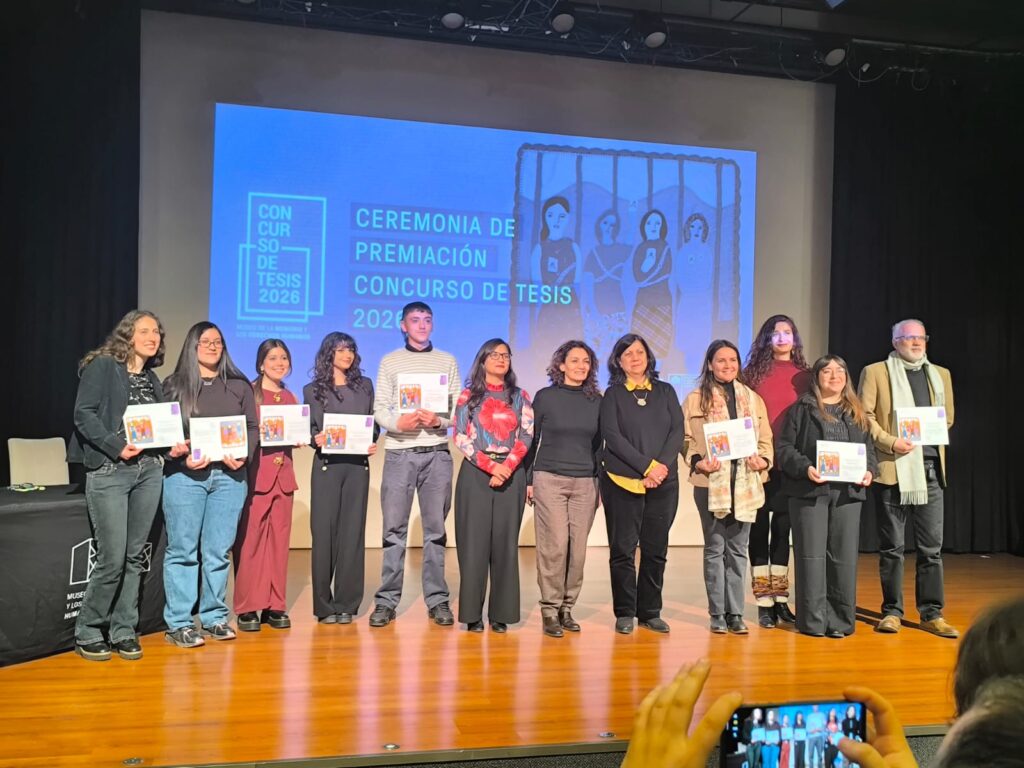
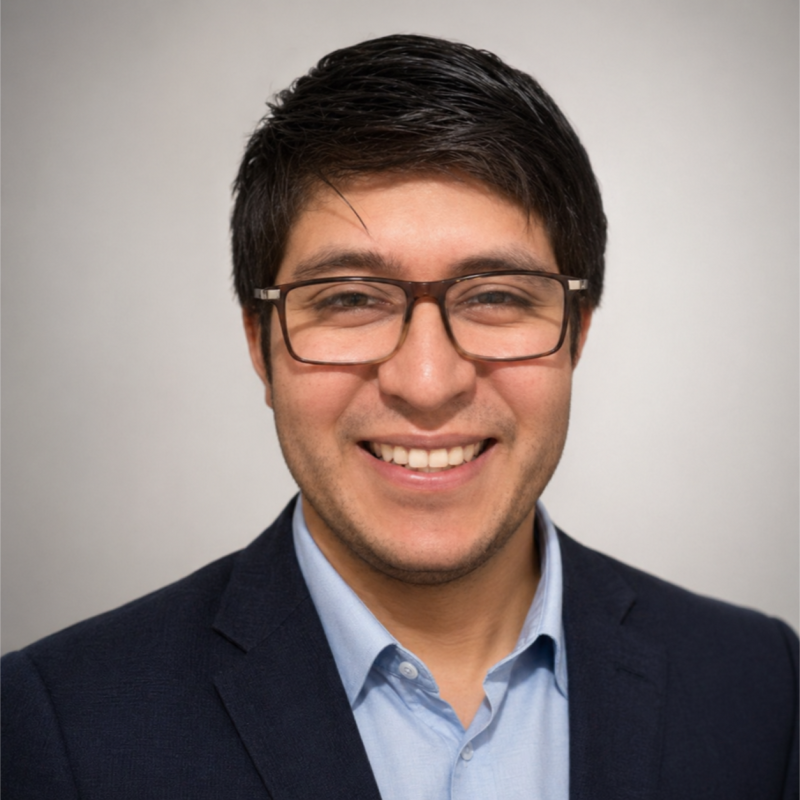
Researcher Guillermo Peralta Godoy, a Ph.D. candidate in Engineering Sciences (Computer Science) at the Pontifical Catholic University of Chile and a member of the Nuestramemoria.cl team, was selected as one of the winners of the 2026 Thesis Competition, an initiative promoted by the Collections and Research Department of the Museum of Memory and Human Rights (MMDH). The thesis was recognized for its proposal to process large volumes of documents, images, audio recordings, and visual records from the Chilean dictatorship using explainable, multimodal artificial intelligence.
Out of a total of 30 applications evaluated by the museum’s technical committee, the proposal stood out for its originality, academic rigor, and direct alignment with the preservation and promotion of Chile’s human rights heritage. Titled “Generation Augmented by Recovery in Multimodal Historical Archives from the Era of the Chilean Dictatorship,” the research addresses one of the main challenges in archival work: the difficulty of manually managing, cross-referencing, and interpreting large volumes of heterogeneous information, which is found in disparate formats, in varying states of preservation, and scattered across various sources.
At the awards ceremony, Domingo Mery—Guillermo’s thesis advisor, a faculty member in the Department of Computer Science at the Catholic University, and a researcher at NuestramemorIA —accepted the award on Guillermo Peralta’s behalf, as he is currently in Montevideo conducting research. “I would like to extend special thanks to the entire team with whom we have sought to put artificial intelligence at the service of the preservation, study, and access to memory archives. This recognition is also an incentive to continue working together and contributing, through research, to a task that I consider deeply valuable,” the researcher said in his remote remarks.
As part of the Nuestra memorIA laboratory, the research aims to develop a multimodal system that integrates various cutting-edge technologies, such as natural language processing (NLP) to analyze and structure historical texts and testimonies; computer vision and facial recognition to catalog and contextualize photographic records and images from that era; and automatic transcription to process audio files and audiovisual materials. All of these tools are being used on archives that have been provided to the project through collaborations with civil society organizations, such as audio recordings from the Radio Cooperativa era, video archives from the Catholic University’s School of Arts, and multimodal archives from the Museum of Memory and Human Rights itself, among many others.
The research also faces key technical challenges, such as the deterioration or poor quality of historical documentary material and the scarcity of specialized training data in this field, and it addresses these challenges within a rigorous ethical framework, grounded in the local context and with strict protection of privacy. “Guillermo’s research focuses on artificial intelligence and how to extract information from archives, videos, photos, and audio recordings and convert it into text. All of this allows us to build a network where everything is triangulated and connected. Using algorithms, we can extract information from thousands upon thousands of documents—a task that would be much more difficult if done manually. We believe this can be a great tool for research,” noted Domingo Mery at the ceremony.
Innovation with an Ethical Focus and Social Commitment
The recognition awarded by the Museum of Memory highlights the significance of interdisciplinary research in the field of data science. Beyond algorithmic advances, projects like this one demonstrate how the critical and ethical use of technology can serve transitional justice, education, academic research, and the preservation of the country’s historical memory.